
At a glance
- What it measures
- How the eyes and inner ears work together, comparing right and left
- How long
- About 60 to 90 minutes
- Preparation
- No alcohol or eye makeup; pause sedating and dizziness medicines only if your clinician agrees
- How it feels
- Brief dizziness during some parts, which settles within minutes
What VNG evaluates
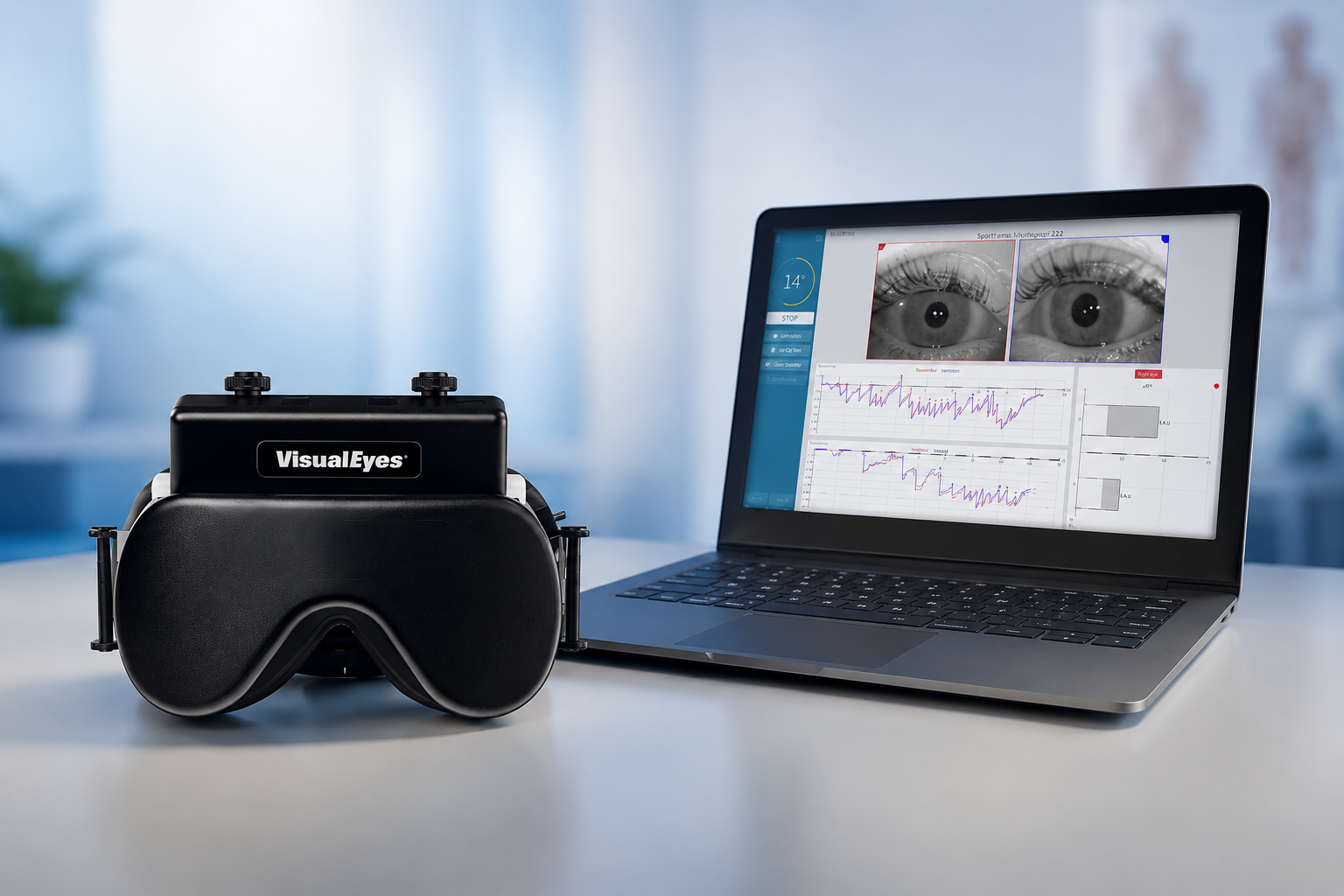
Videonystagmography records eye movements during visual tracking, gaze, positional, and vestibular stimulation tasks. Because the balance system and eye movement system are tightly connected, these recordings can help localize patterns associated with peripheral vestibular dysfunction, central nervous system involvement, or mixed presentations.
How it supports care
VNG can help clarify why a patient experiences vertigo, dizziness, imbalance, motion sensitivity, or unexplained nausea. The results are interpreted alongside the neurologic exam, hearing history, medication review, and other vestibular tests when needed.
Typical components
- Tracking and gaze testing for oculomotor control.
- Positional testing for nystagmus triggered by head or body position.
- Vestibular stimulation tasks that compare right and left inner-ear responses.
What to expect
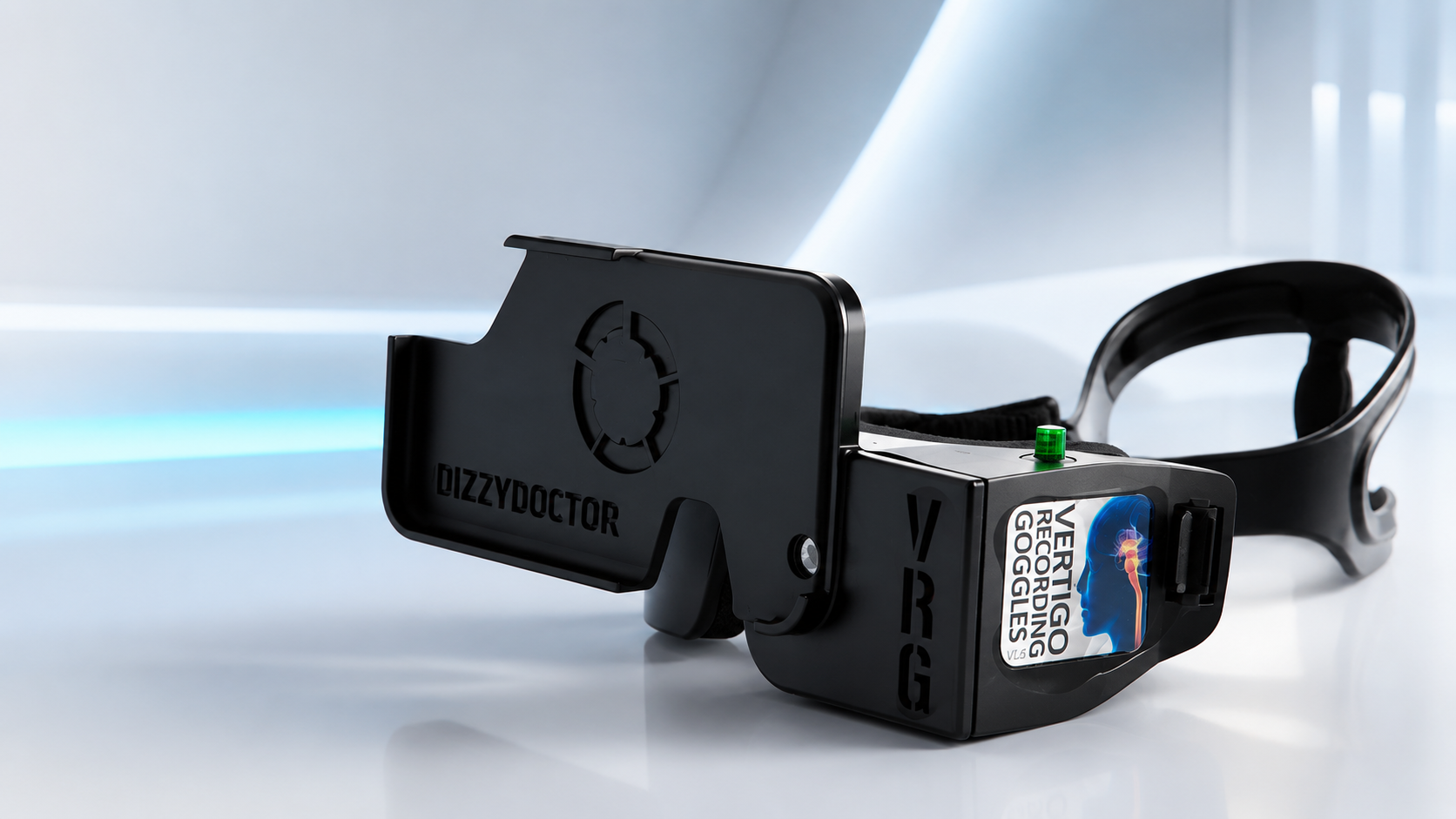
- Video goggles are fitted over your eyes. Their cameras record eye movement, and some parts are done in darkness.
- Eye-movement tests: you follow dots or lights on a screen, which checks the brain's control of eye movement.
- Positional tests: you lie down and turn your head or body into set positions while your eyes are recorded, which can reveal BPPV.
- Caloric test, when ordered: warm and cool air or water is placed gently in each ear canal, one ear at a time, to stimulate each inner ear separately. It usually brings on a short spinning sensation.
How to prepare
- Avoid alcohol for 48 hours before the test.
- If your clinician agrees, pause medicines that suppress dizziness or cause drowsiness for 48 hours, such as meclizine, dimenhydrinate, antihistamines, sleep aids, and anti-anxiety medicines. Keep taking heart, blood pressure, seizure, diabetes, and other essential medicines.
- Avoid caffeine and nicotine on the day of the test.
- Have only a light meal in the few hours before.
- Don't wear eye makeup, and wear comfortable clothing.
- Bring your glasses, and a case for contact lenses in case you're asked to remove them.
These are general guidelines. When your test is scheduled, our office will confirm the instructions for your visit. Never stop a prescribed medication without first asking the clinician who prescribed it.
After the test
Most people return to normal activities right away. Any dizziness from the test usually fades within minutes to an hour, but consider having someone drive you if you tend to feel unsteady. Your clinician reviews the results with your history and examination and explains what they mean for treatment.
Related conditions
Further reading
- ElectronystagmographyMedlinePlus
- Balance disordersNIDCD (NIH)