
At a glance
- Symptoms
- Vertigo attacks with fluctuating hearing loss, tinnitus, and ear fullness
- Common causes
- Excess inner ear fluid (endolymphatic hydrops); often linked with migraine
- How it's diagnosed
- Hearing tests, vestibular testing, and imaging to exclude other causes
- Treatment
- Salt restriction, diuretics, migraine management, and targeted therapies
Overview
Meniere’s Disease, or Idiopathic Endolymphatic Hydrops, presents a unique set of challenges and requires specialized care. Our clinic offers expert management for patients suffering from Meniere’s Disease, utilizing the latest in diagnostic and treatment methodologies to offer relief and improve quality of life.
Diagnosis
Our approach begins with a comprehensive clinical evaluation to accurately diagnose Meniere’s Disease, leveraging:
- Detailed Audiometry: To track hearing loss variations over time.
- Infrared Video Oculography: For identifying nystagmus during vertigo attacks, indicative of Meniere’s Disease.
- Vestibular Testing, Blood Work, and Imaging: Including MRI and CT scans to exclude other causes of symptoms.
Treatment
Understanding that there is currently no cure for MD, our clinic focuses on:
- Reducing Attack Frequency and Duration: Through lifestyle modifications and avoidance of dietary triggers.
- Pharmacologic Therapy: Beginning with diuretics to manage fluid pressure in the inner ear, and Betahistine to act on central nervous system histamine receptors.
- Migraine and Meniere’s Disease Management: Given the linkage between Meniere’s Disease and migraine, we employ a dual approach that includes migraine preventative and abortive medications, in addition to dietary and lifestyle adjustments.
At our clinic
- Concomitant Treatment for Meniere’s and Migraine: Reflecting on the historical and clinical connections between Meniere’s Disease and migraines, our clinic adopts a unique treatment strategy that addresses both conditions simultaneously, aiming to reduce the frequency of Meniere’s attacks and mitigate migraine symptoms.
- Educating Patients: We believe in empowering our patients with knowledge about their condition, encouraging active participation in the management of their health.
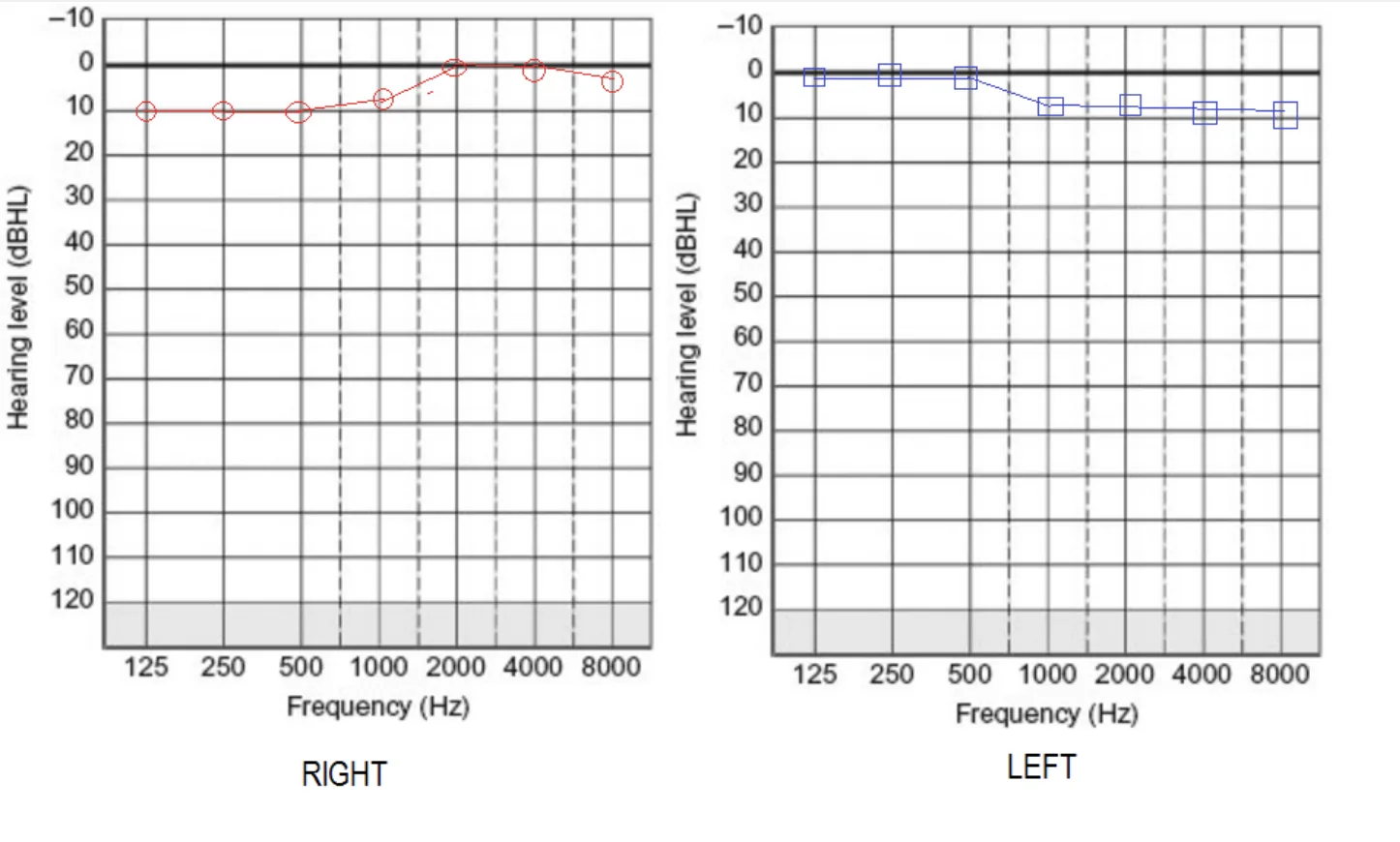
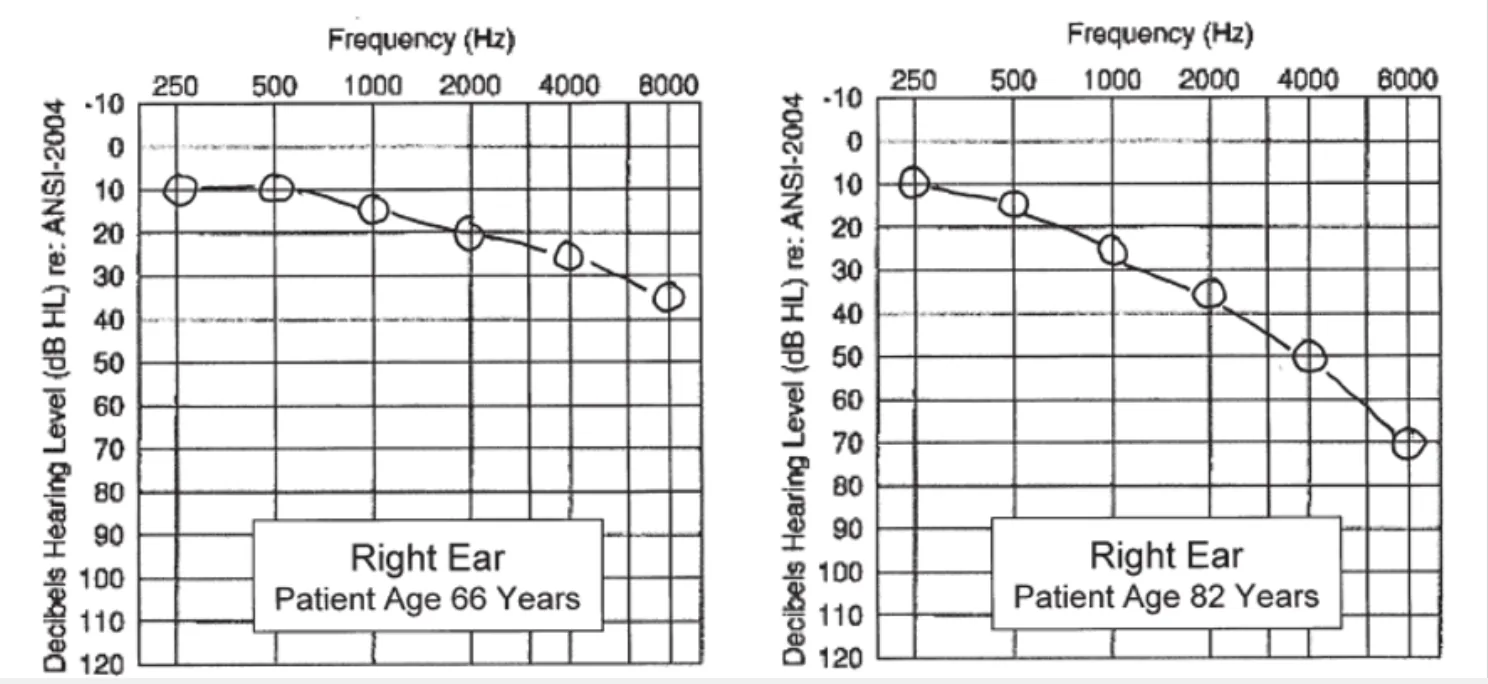
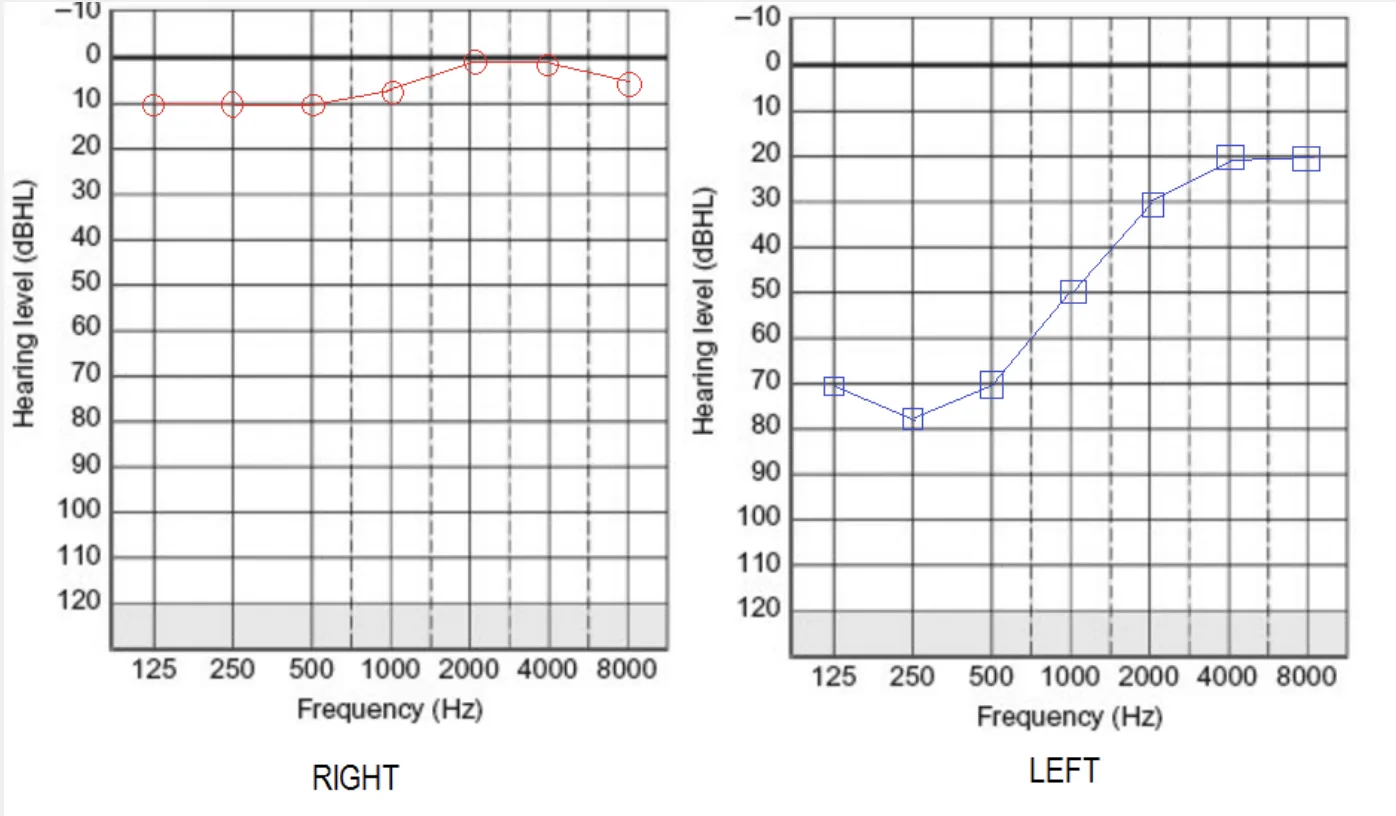
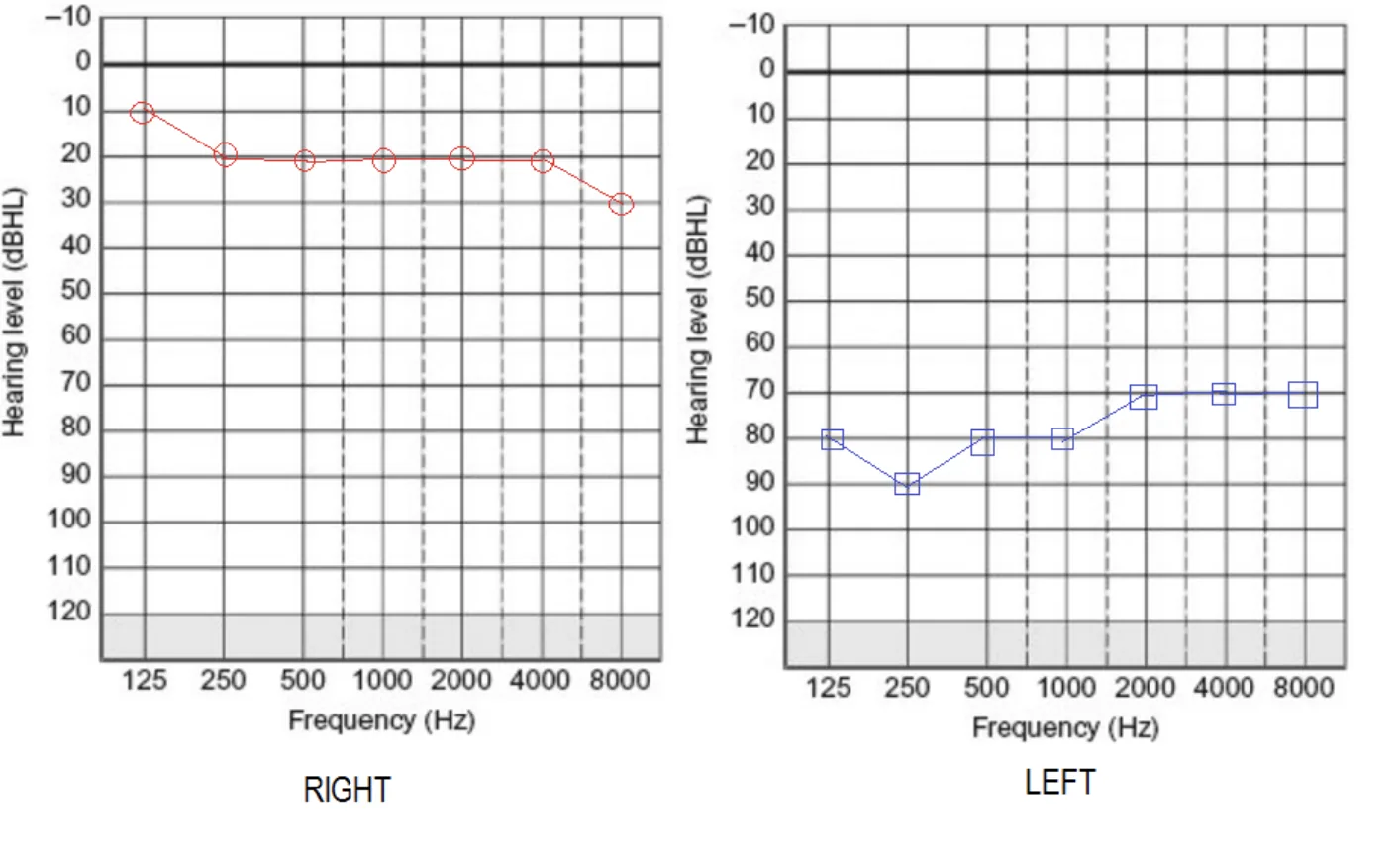
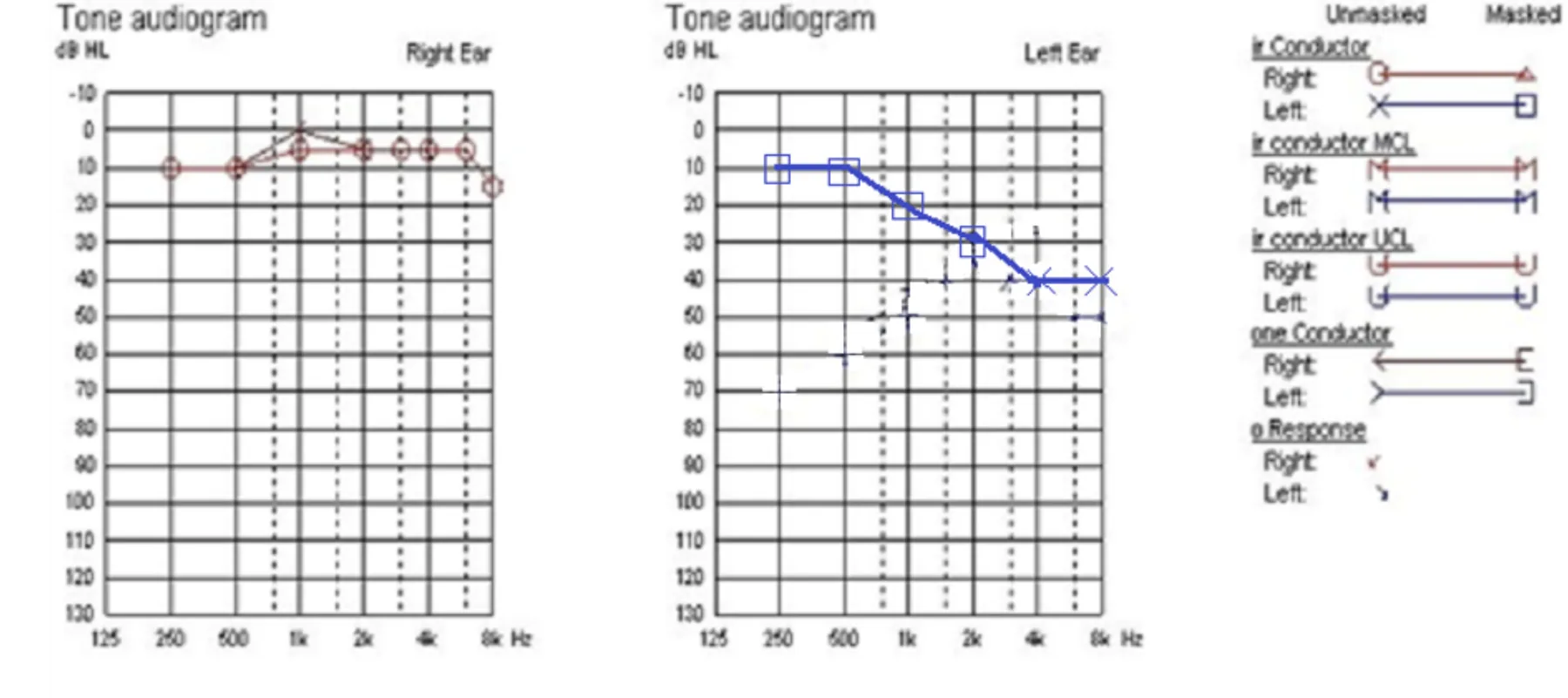
Audiogram Insights
Our clinic utilizes audiograms to monitor the progression of Meniere’s Disease, offering insights into:
- Normal Hearing vs. Presbyacusis: Age-related hearing loss and its progression.
- Meniere’s Episode and Late Stage: The impact of Meniere’s Disease on hearing over time.
- Migraine Variant: Understanding episodic hearing loss associated with migraines.
Audiogram examples
Living with Meniere's Disease
We are committed to supporting our patients through every phase of Meniere’s Disease, providing personalized care plans that include dietary recommendations, medication management, and strategies for coping with acute attacks.
Testing that can help
Testing is chosen from your history and examination. These are the tests most often used here.
Related topics
When to seek urgent care
Call 911 or go to the nearest emergency department if dizziness or imbalance starts suddenly together with any of the following, since these can be signs of a stroke or another emergency:
- Weakness or numbness of the face, arm, or leg, especially on one side
- Trouble speaking or understanding speech
- Double vision or sudden loss of vision
- A sudden, severe headache
- Inability to walk or stand
- Chest pain, fainting, or a seizure
Further reading
- Ménière's diseaseNIDCD (NIH)
- Ménière's diseaseVestibular Disorders Association
This article is for general education and does not replace a medical evaluation. Testing and treatment are chosen for each patient after a full history and examination.