
At a glance
- Hearing
- The cochlea turns sound vibrations into nerve signals
- Head rotation
- Three semicircular canals sense turning movements
- Gravity and motion
- The utricle and saccule sense tilt and straight-line movement
- Connection
- The vestibulocochlear nerve carries these signals to the brain
Overview
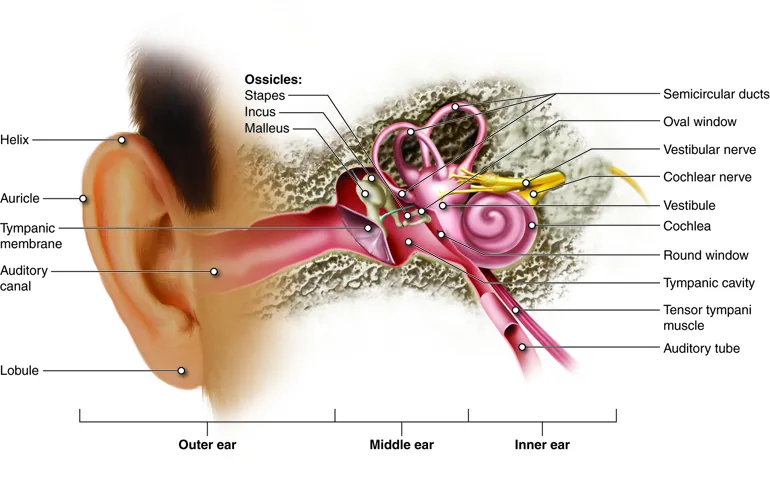
The inner ear is a crucial part of the auditory and vestibular systems. It is responsible for translating sound waves into electrical signals that the brain can understand, and it helps maintain balance and spatial orientation. The inner ear consists of several important structures, including the cochlea, vestibule, and semicircular canals.
Microscopic Anatomy of the Inner Ear
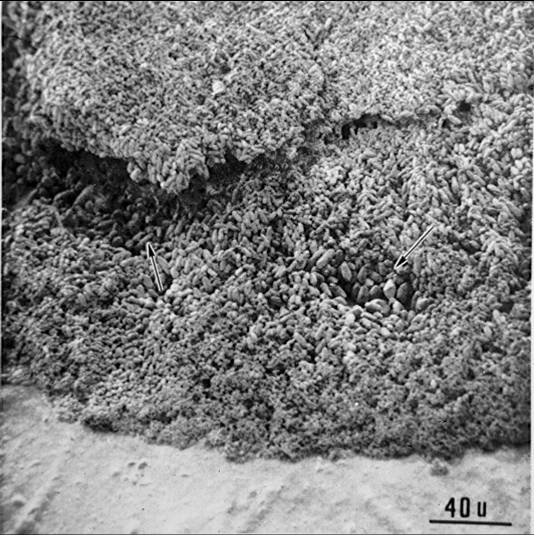
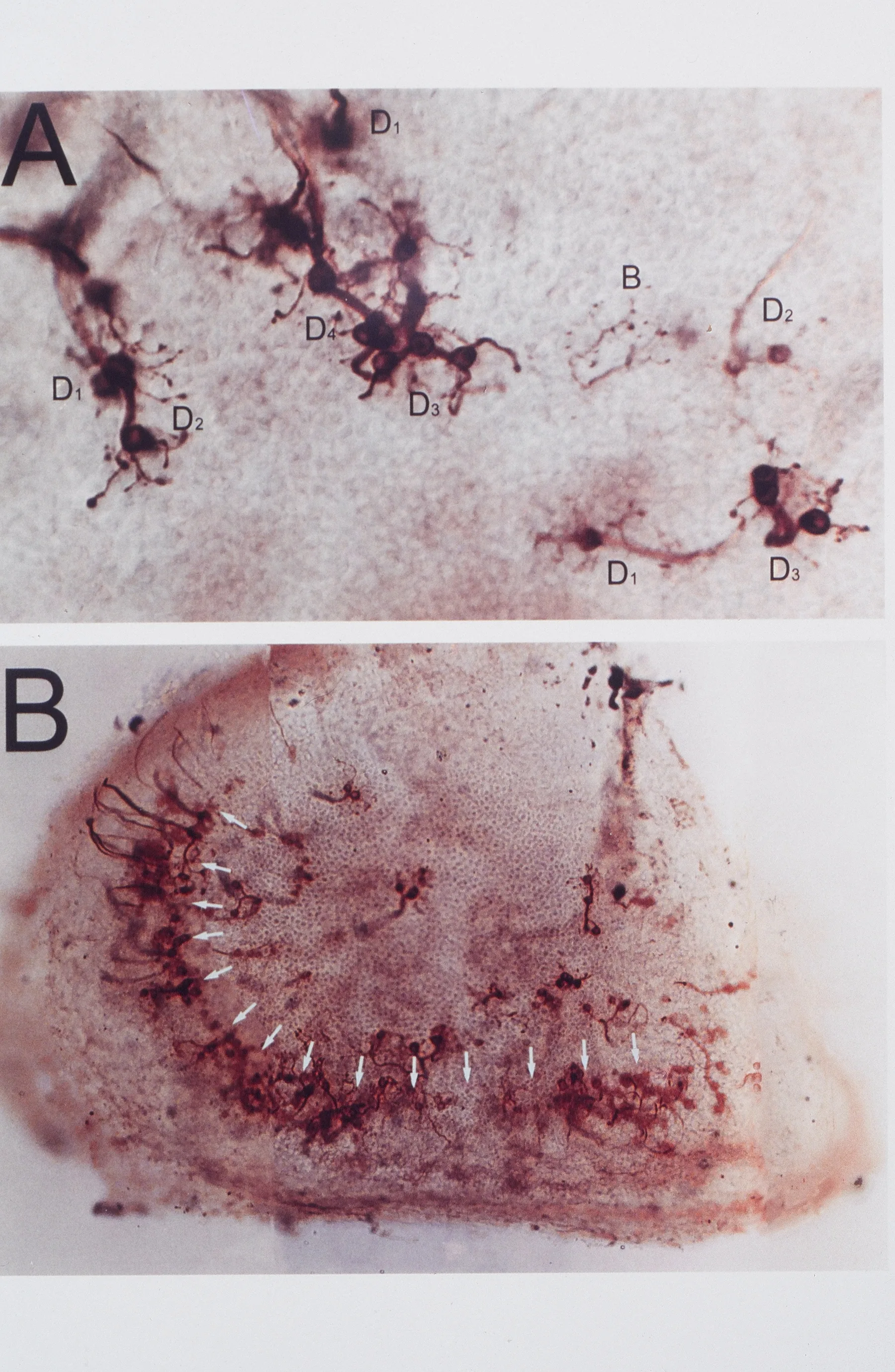
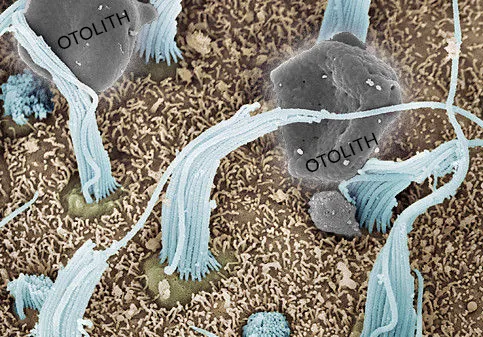
The inner ear is composed of delicate structures that can only be fully appreciated under a microscope. Here are some microscopic images of different aspects of the inner ear:
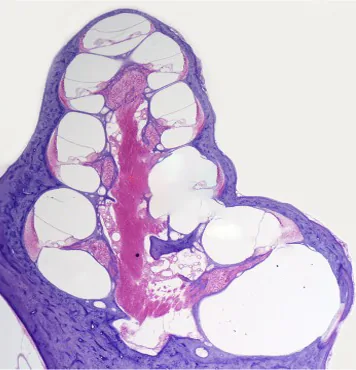
- Cochlea: The cochlea is a spiral-shaped organ that is responsible for converting sound waves into nerve signals.
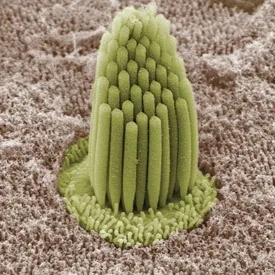
- Hair Cells: Hair cells are sensory cells within the cochlea that play a critical role in hearing by detecting sound vibrations.
- Vestibule: The vestibule is the central part of the inner ear and is involved in balance and spatial orientation.
- Semicircular Canals: These three looped structures help detect rotational movements and contribute to balance.
Cochlea
The cochlea is a bony, spiral-shaped organ found in the inner ear. It is divided into three fluid-filled chambers: the scala vestibuli, scala media, and scala tympani. Within the cochlea, the organ of Corti contains hair cells that are responsible for transducing mechanical sound vibrations into electrical signals that can be interpreted by the brain.
Hair Cells
Hair cells are the sensory receptors of the auditory system. These cells have hair-like projections called stereocilia that bend in response to sound waves, leading to the generation of electrical signals that are sent to the brain via the auditory nerve.
Vestibule
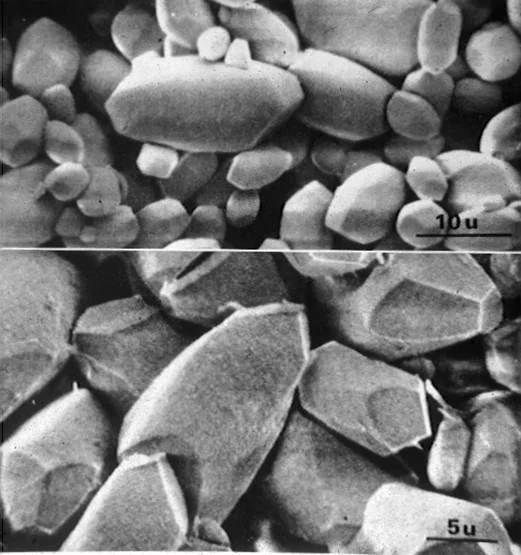
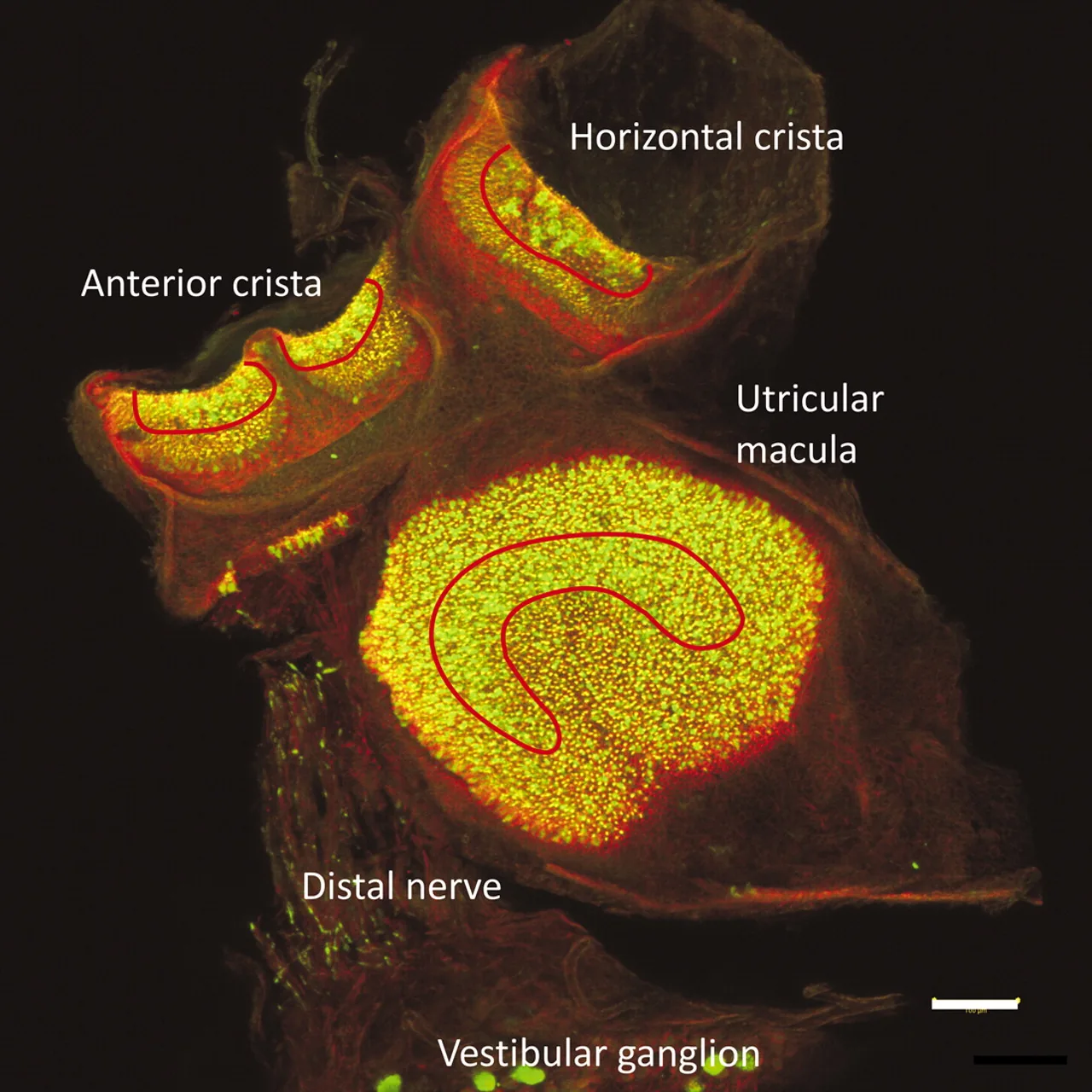
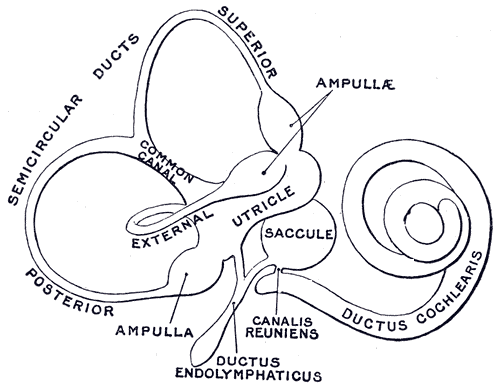
The vestibule is a part of the inner ear involved in maintaining balance. It contains two main structures: the utricle and the saccule. These structures detect linear accelerations and head tilts, helping to keep you oriented and balanced.
Semicircular Canals
The semicircular canals are three looped structures positioned at right angles to each other. They detect rotational movements of the head. Each canal has a swelling called an ampulla, which contains hair cells that detect these movements and send signals to the brain to help maintain balance.
Dr. Ian M. Purcell's Inner Ear Research
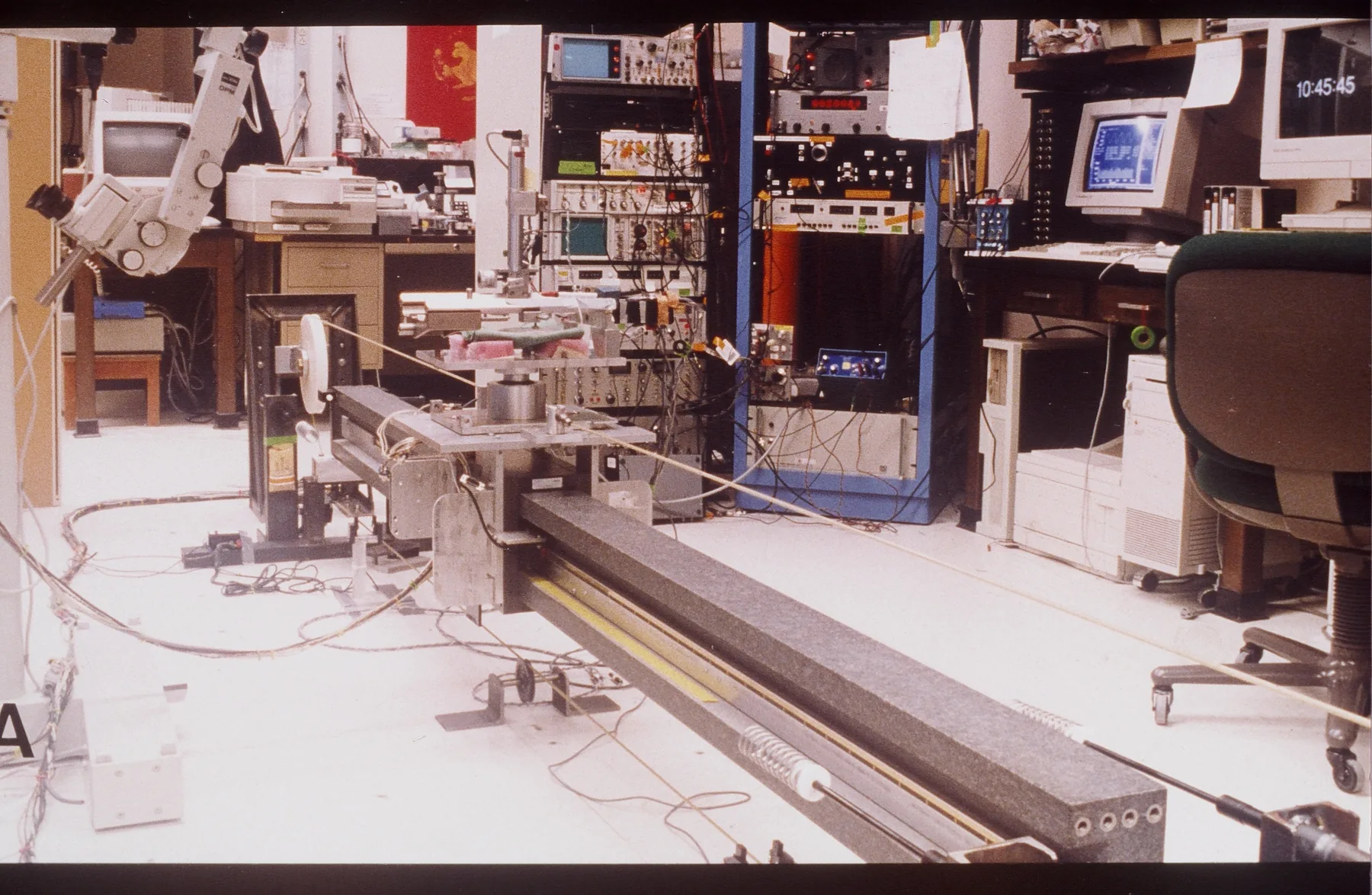
Dr. Ian M. Purcell's groundbreaking research focuses on the anatomy, function, and disorders of the inner ear. His work has advanced diagnostic techniques and therapeutic approaches, providing significant insights into conditions such as vestibular dysfunction, sensorineural hearing loss, Meniere's disease, and inner ear infections. Through innovative imaging and treatment strategies, Dr. Purcell's contributions have been pivotal in improving patient outcomes and advancing the field of otology.
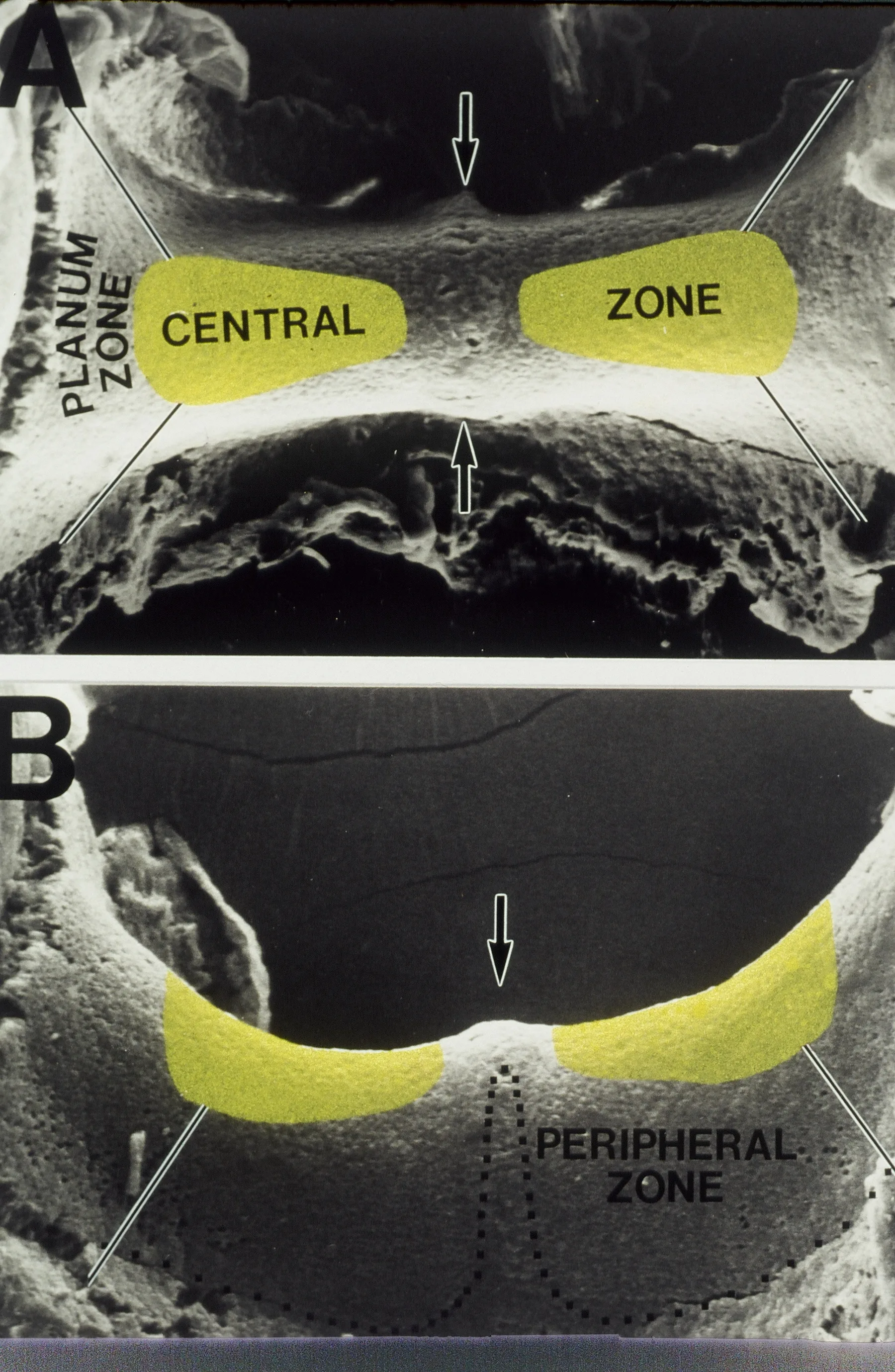
From Dr. Purcell's inner ear research
Testing that can help
Testing is chosen from your history and examination. These are the tests most often used here.
Related topics
When to seek urgent care
Call 911 or go to the nearest emergency department if dizziness or imbalance starts suddenly together with any of the following, since these can be signs of a stroke or another emergency:
- Weakness or numbness of the face, arm, or leg, especially on one side
- Trouble speaking or understanding speech
- Double vision or sudden loss of vision
- A sudden, severe headache
- Inability to walk or stand
- Chest pain, fainting, or a seizure
Further reading
- How do we hear?NIDCD (NIH)
- The human balance systemVestibular Disorders Association
This article is for general education and does not replace a medical evaluation. Testing and treatment are chosen for each patient after a full history and examination.