
At a glance
- Helps with
- Dizziness, imbalance, and blurred vision from inner ear problems
- How it works
- Targeted exercises retrain the brain to compensate
- Who it's for
- Recovery after neuronitis or concussion, and chronic imbalance
- What to expect
- A tailored program of gaze, balance, and walking exercises
Overview
Vestibular Rehabilitation is an innovative therapy approach targeting symptoms caused by vestibular disorders. These disorders can significantly impact an individual's balance, causing dizziness, vertigo, and other related symptoms due to damage or illness affecting the vestibular organs.
The Essence of Vestibular Rehabilitation
This specialized form of rehabilitation focuses on retraining the brain to more effectively process signals from the vestibular system in coordination with vision and proprioception. The goal is to alleviate reliance on vision and proprioceptive cues alone and to correct maladaptive patterns of movement that might worsen symptoms.
Objectives of Vestibular Rehabilitation
The primary aims include:
- Brain Retraining: To recognize and process vestibular signals accurately.
- Desensitization: To reduce the balance system's sensitivity to movements that provoke symptoms.
- Mobility Restoration: To enable individuals to conduct daily activities confidently.
Vestibular rehabilitation seeks to mitigate the need for compensatory strategies that may lead to muscle tension, headaches, and fatigue, promoting a return to normal life activities.
Technologies and Approaches in Vestibular Rehabilitation
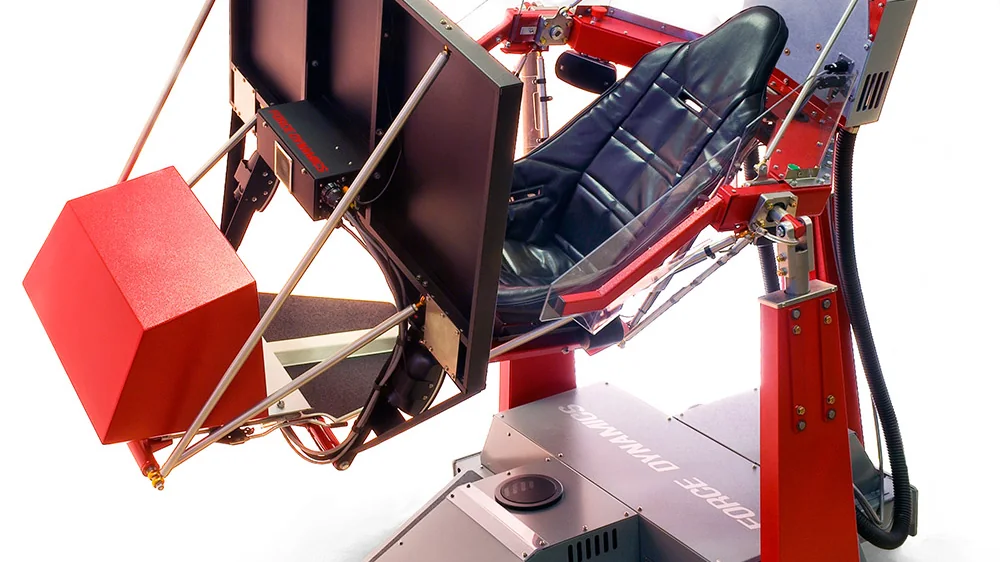
While our clinic discusses vestibular rehabilitation broadly, several state-of-the-art technologies and unique equipment are noteworthy in this field, including:
- Alter-G Anti-Gravity Treadmill: An innovative tool designed to aid in balance and gait training by allowing controlled weight-bearing exercises.
- Spine Force Machine: A unique equipment focusing on reinforcing muscle, enhancing balance, and establishing proprioception through an oscillating platform, providing a comprehensive approach to restore spinal and overall body balance.
These technologies exemplify the advanced approaches used in vestibular rehabilitation programs worldwide to address and manage vestibular disorders effectively.
Testing that can help
Testing is chosen from your history and examination. These are the tests most often used here.
Related topics
When to seek urgent care
Call 911 or go to the nearest emergency department if dizziness or imbalance starts suddenly together with any of the following, since these can be signs of a stroke or another emergency:
- Weakness or numbness of the face, arm, or leg, especially on one side
- Trouble speaking or understanding speech
- Double vision or sudden loss of vision
- A sudden, severe headache
- Inability to walk or stand
- Chest pain, fainting, or a seizure
Further reading
- Vestibular rehabilitation therapyVestibular Disorders Association
- Balance disordersNIDCD (NIH)
This article is for general education and does not replace a medical evaluation. Testing and treatment are chosen for each patient after a full history and examination.